Physical Benefits of Exercise for Kids
While we think of exercise being innate to kids as they are always on the move and full of energy, there are many benefits of physical activity in children. Benefits include improved academic performance, brain health, muscular fitness, heart and lung health, improved sleep patterns, and preventions of chronic conditions.
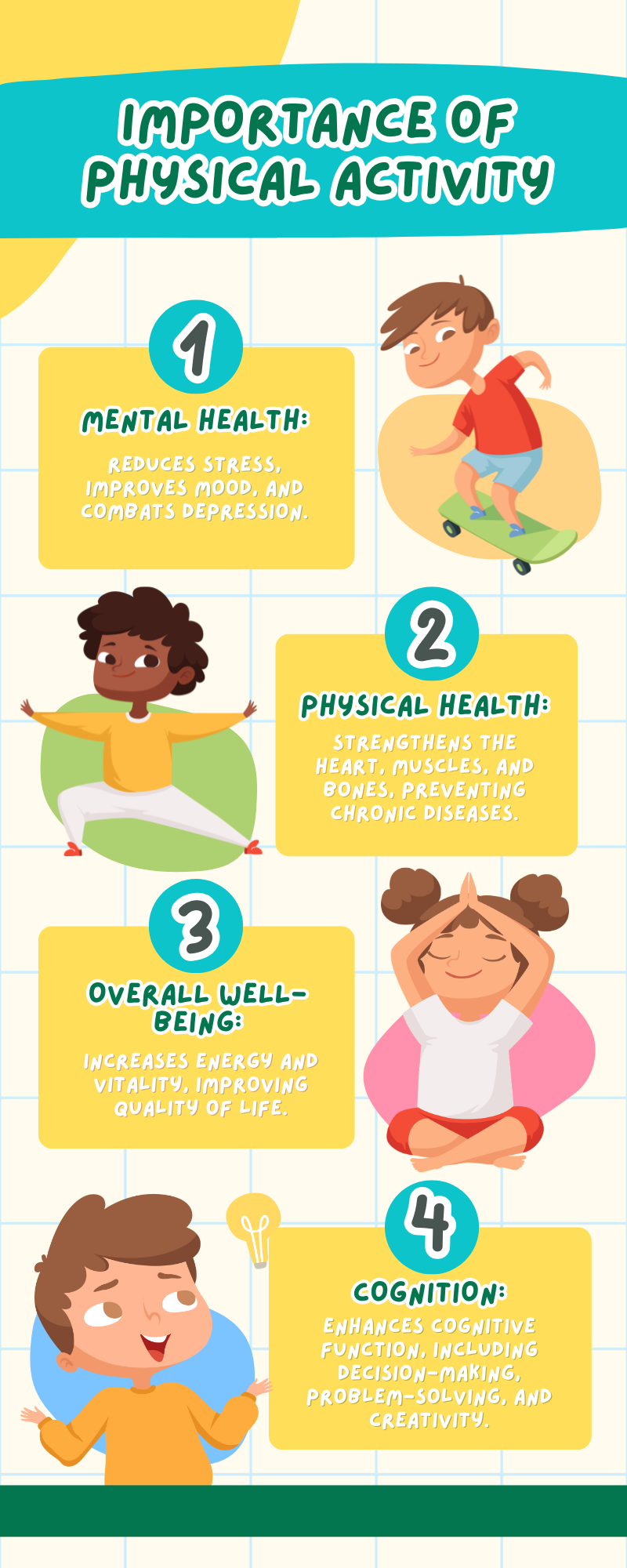
Physical activity or more structured physical therapy is utilized in pediatric patients to assist in the development of gross motor skills. Gross motor skills involve the coordination of large muscle groups—arms, legs, and torso—to perform movements like walking, running, jumping, crawling, and throwing. Developing these, essential for balance, strength, and body awareness, begins in infancy and continues through childhood, with milestones including rolling, sitting, walking, running, climbing, and eventually skipping. The more we move, the more flexible we are and the more our endurance is built up.

Physical activity also enhances cognitive abilities and improves academic success. When a child engages in sports, their body becomes oxygenated, blood circulates better, and the brain receives the necessary nutrients for optimal functioning. Additionally, regular physical exercise enhances neuroplasticity — the brain’s ability to adapt and form new neural connections. This is crucial for learning, as neuroplasticity helps children absorb new knowledge, improve memory, and enhance problem-solving skills.

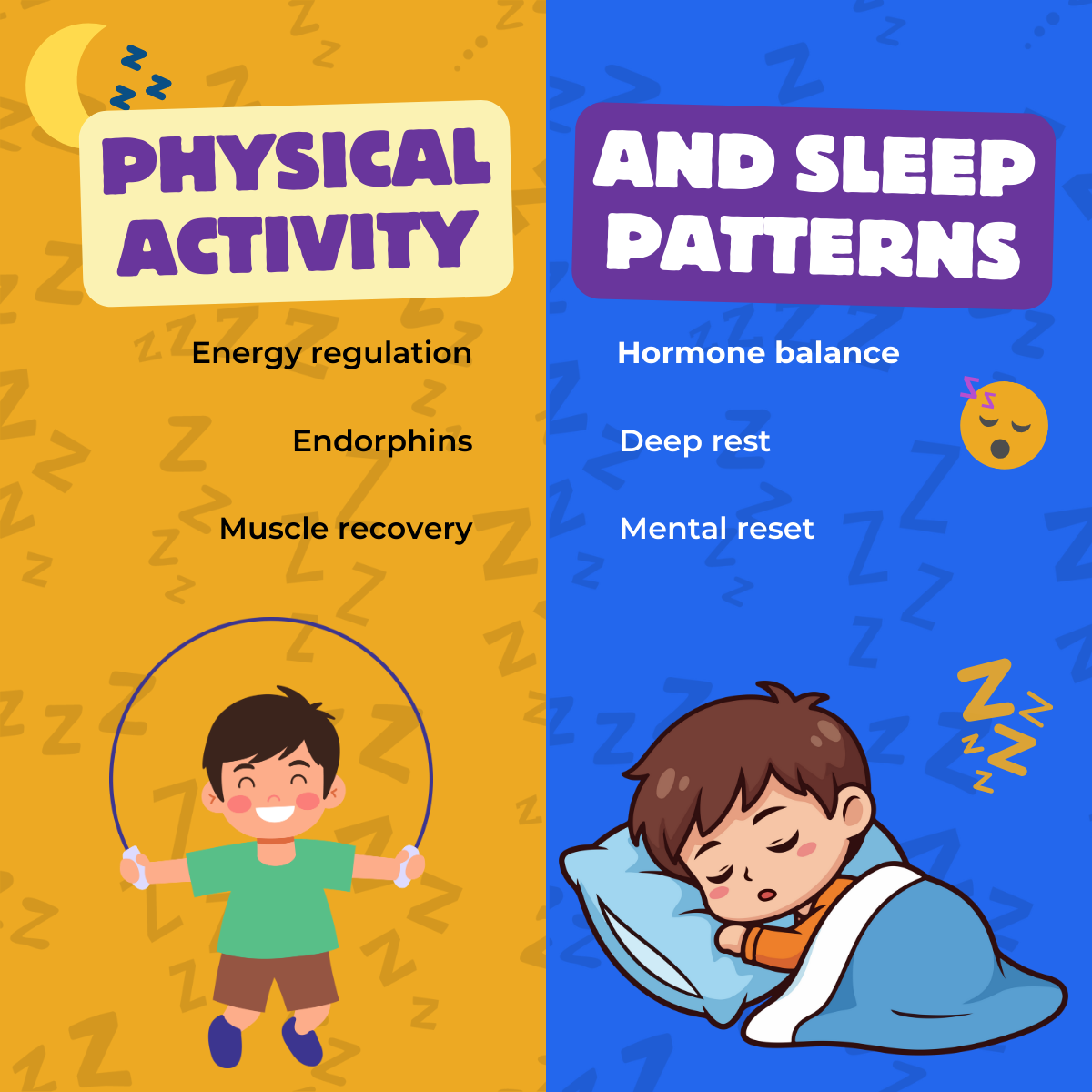
Physical activity stimulates the production of chemicals like endorphins, dopamine, and serotonin, which improve mood, reduce stress, and enhance focus. Some of these endorphins aid in sleep patterns. Exercise improves sleep patterns by increasing melatonin production, reducing stress, and elevating body temperature, which helps you fall asleep faster and increases deep sleep. Regular physical activity regulates circadian rhythms, allowing for more restorative rest and increased, consistent sleep duration.
The WHO (World Health Organization) recommends regular activity, ideally 60+ minutes of moderate to vigorous exercise daily to reduce the risk of chronic diseases such as type 2 diabetes and obesity. It also lowers blood pressure.