Exercise Snacks?
Finding time to move can be hard.
Most people know regular physical activity is good for them. The challenge is fitting it into a normal day filled with work, errands, family responsibilities, appointments, and everything else that competes for attention.
That is where exercise snacks can help.
An exercise snack is a short burst of movement built into your day. It may last one minute, three minutes, or five minutes. It does not require a gym, a full workout plan, or a major schedule change. It is simply a way to move your body more often, in small doses that feel realistic.
For many people, that is exactly the kind of starting point they need.
What Is an Exercise Snack?
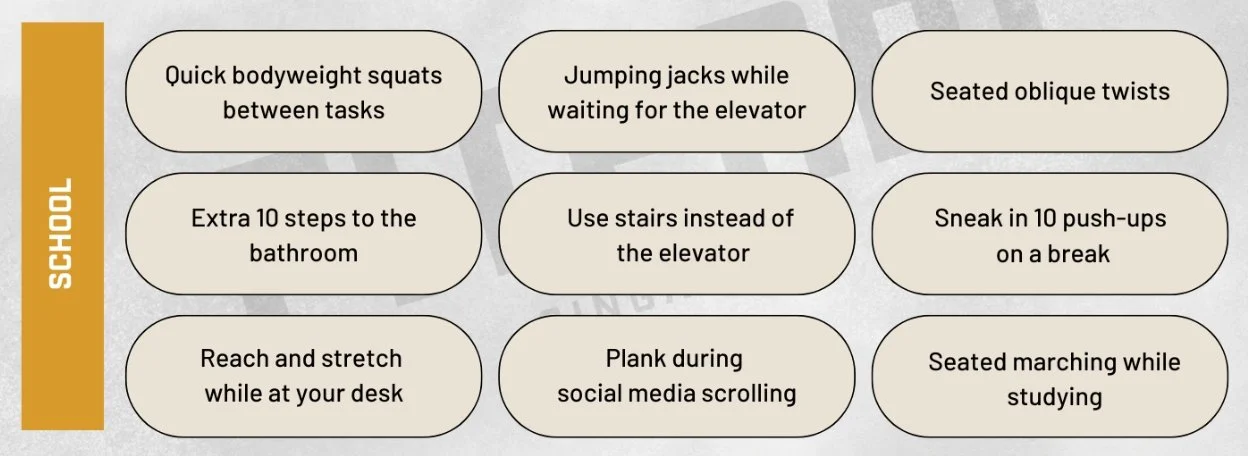
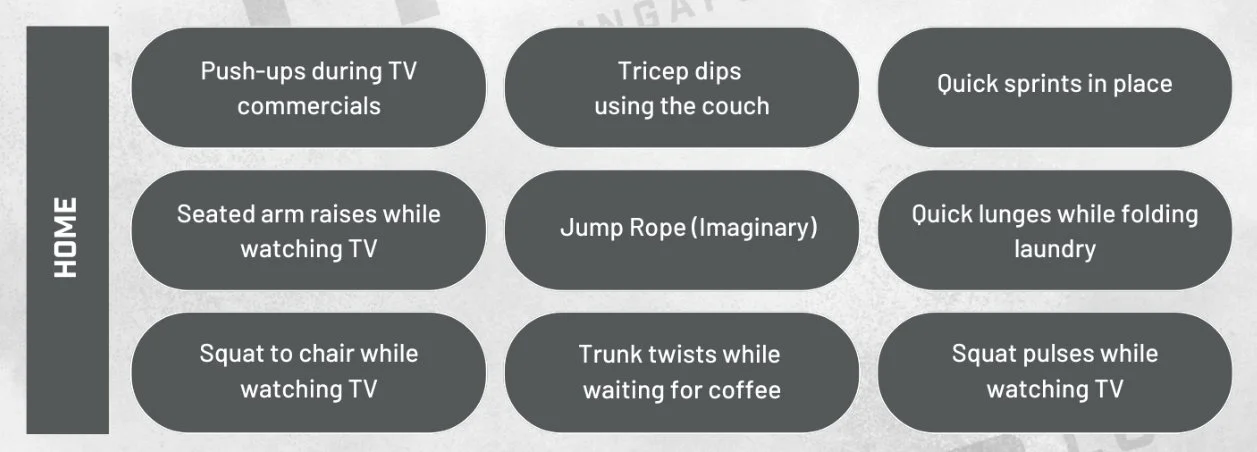
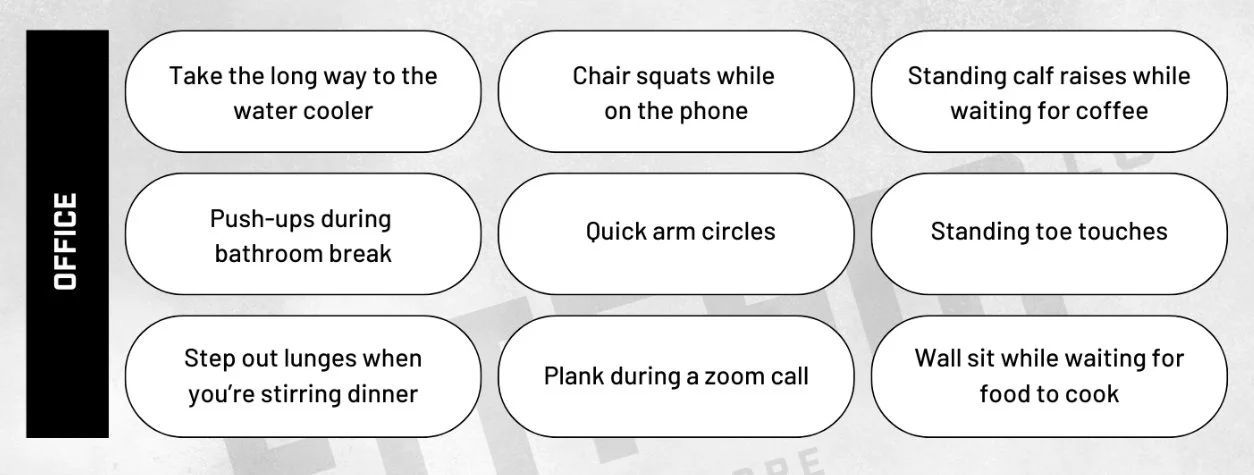
Exercise snacks are brief movement breaks spread throughout the day. Instead of thinking about exercise as one long workout, you add small moments of activity into your existing routine.
That might include:
Taking the stairs instead of the elevator
Doing 10 sit-to-stands from a chair
Walking for two minutes between meetings
Marching in place while watching TV
Doing wall pushups before lunch
Stretching after sitting for a long period of time
Taking a quick lap around the house or office
Doing calf raises while standing at the kitchen counter
The movement does not need to be complicated. It just needs to get your body out of one position and into motion.
That matters, especially if you spend a lot of time sitting.
Why Exercise Snacks Can Help?
One reason exercise snacks work is that they remove the pressure around exercise.
A full workout can feel like a lot. You may need time, energy, equipment, childcare, transportation, or motivation. When those pieces are not in place, it is easy to skip movement altogether.
Exercise snacks make movement smaller and easier to start.
Recent research published in the British Journal of Sports Medicine found that short bouts of moderate-to-vigorous activity can improve cardiorespiratory fitness in physically inactive adults. The review also noted strong adherence, which is important because the best movement routine is the one people can actually keep doing.
Exercise snacks are not meant to replace every other type of exercise. Walking, strength training, stretching, balance work, and structured workouts all have value. But short movement breaks can help you start moving more often, especially on days when a full workout is not realistic.
They Help Break Up Sitting Time
Many people sit for long stretches during the day. Desk work, driving, screen time, and long meetings can all keep the body in one position for hours.
Over time, that can contribute to stiffness, tightness, fatigue, and discomfort.
Exercise snacks help interrupt that pattern.
Standing up, walking, climbing stairs, or doing a few bodyweight movements gives your muscles a chance to work. It also helps get your circulation moving and can make your body feel less locked up after a long stretch of sitting.
Short movement breaks may also support how the body uses energy after meals. Studies on brief activity breaks have found that short, frequent walking or squatting breaks can support better blood sugar regulation compared with uninterrupted sitting.
The goal is not to turn every hour into a workout. It is to give your body regular chances to move.
They Make Activity Feel More Manageable
People often think, “If I cannot do 30 minutes, why bother?”
Exercise snacks answer that question directly: because a little movement still counts.
A two-minute walk is better than staying seated. A few sit-to-stands are better than doing nothing. A short stretch after a long meeting can help you feel more mobile before moving into the next part of your day.
Small movement may not feel dramatic, but it can build momentum. Once your body gets used to moving more often, it becomes easier to keep going.
That is the real value of exercise snacks. They help make movement part of your day instead of another task you have to squeeze in.
How to Add Exercise Snacks Into Your Routine
The easiest way to start is to connect movement to something you already do.
Try adding a short movement break:
After brushing your teeth
While coffee is brewing
Before your first meeting
After lunch
Between work calls
Before getting in the shower
During a TV break
After sitting for an hour
Start with one or two exercise snacks per day. Keep them simple enough that you can repeat them.
A few easy options include:
10 sit-to-stands from a chair
10 wall pushups
30 seconds of marching in place
One flight of stairs
A two-minute walk
Five slow squats
10 calf raises
Gentle shoulder rolls or stretches
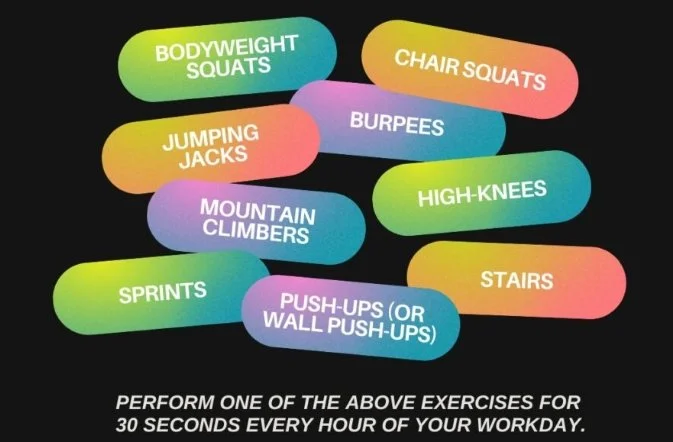
You do not need to do all of these. Pick one or two that fit your body, your space, and your day.
Make Exercise Snacks Safe and Comfortable
Exercise snacks should help your body feel more awake and mobile. They should not leave you feeling wiped out or in pain.
If you are new to movement, managing joint pain, recovering from an injury, or worried about balance, start gently. Seated marching, heel raises, short walks, or standing up from a chair may be enough.
If you are already active, you may choose more challenging options like stairs, squats, lunges, or faster walking.
Pay attention to how your body responds. If a movement causes sharp pain, dizziness, instability, or symptoms that do not feel right, stop and choose something different.
Movement should meet you where you are.
When Pain or Stiffness Gets in the Way
Exercise snacks are simple, but movement is not always simple for everyone.
Pain, stiffness, weakness, balance issues, or a previous injury can make even small movement breaks feel difficult. If that sounds familiar, physical therapy may help.
A physical therapist can look at how you move, identify what may be contributing to discomfort, and recommend exercises that are appropriate for your body and goals.
Sprouting Up Therapy treats a wide range of conditions, including back pain, neck pain, shoulder pain, knee pain, hip pain, sports injuries, balance concerns, and post-surgical recovery.
Small Movement Still Counts
Exercise does not have to begin with a full workout.
It can begin with standing up. Taking the stairs. Walking for two minutes. Doing a few chair sit-to-stands. Stretching after sitting too long.
Those small choices matter because they make movement easier to start, easier to repeat, and easier to fit into real life.
Exercise snacks are not complicated. That is why they work.
They give your body more chances to move, one small break at a time.