My child skipped crawling, is that okay?
The Centers for Disease Control and Prevention (CDC) recently updated its developmental milestones guidelines which took crawling out of the picture suggesting that it is not a critical milestone for early childhood development. At Sprouting Up Therapy, we continue to believe that crawling plays an essential role in development and here’s why.
BENEFITS OF CRAWLING
Supports Physical Development

Gross motor and Fine motor skills
Crawling engages multiple muscle groups - when learning to roll, pivot, transition from sitting to prone (tummy or hands and knees positions), infants development important gross motor skills that form the foundation for walking, running, and jumping.
Core strength - improved with crawling as they have to engage their core to stay up versus plopping down to the ground, as well as, engaged when transitioning to sitting or pulling up to stand.
Upper body strength – develops the muscles of the shoulders, arms, and hands vital for gross motor skills such as climbing and throwing but also fine motor skills like writing, using scissors.
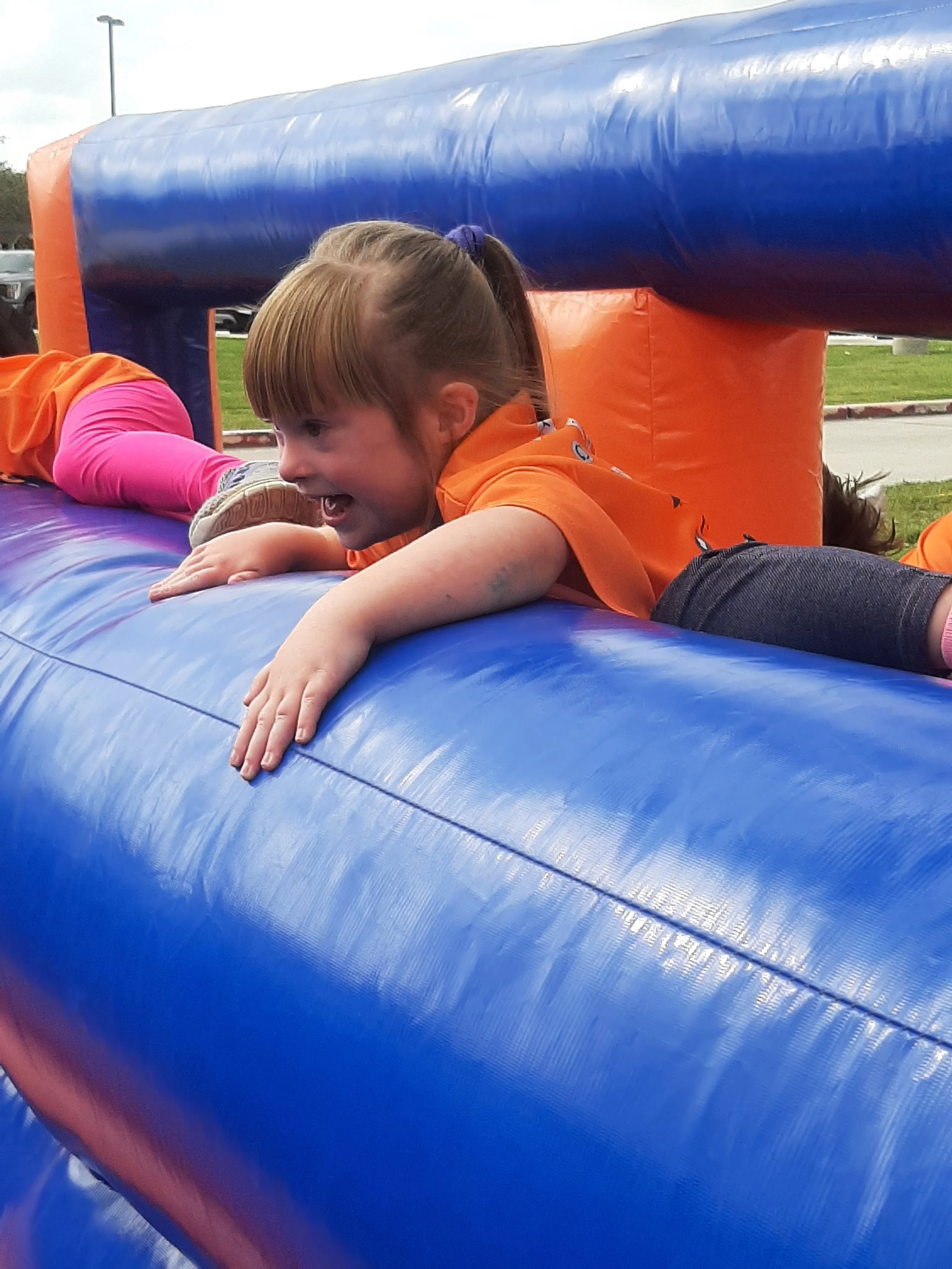
Hip strength – in being in the hands and knees position and crawling over obstacles, this helps improve hip strength and stability required for pull to stand transitions and walking.
Coordination
Crawling is one of the first cross-lateral movements that humans do.
Improves bilateral coordination and trains the brain to communicate more effectively to both sides of the body.
Coordination is important in activities such as getting dressed, jumping jacks, skipping, running, and needed for all sports.
Enhances Cognitive Development
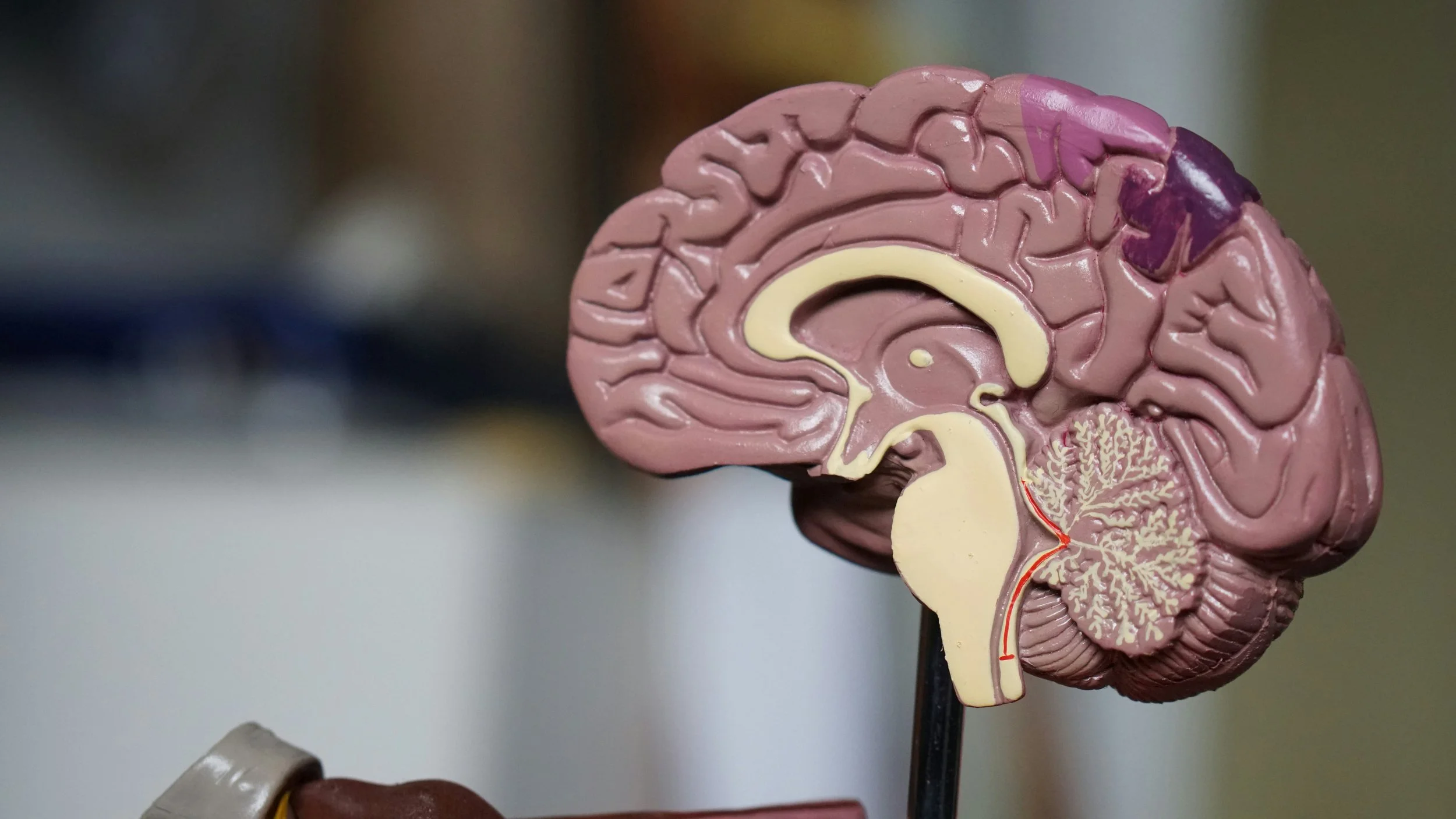
Sensory development and body awareness
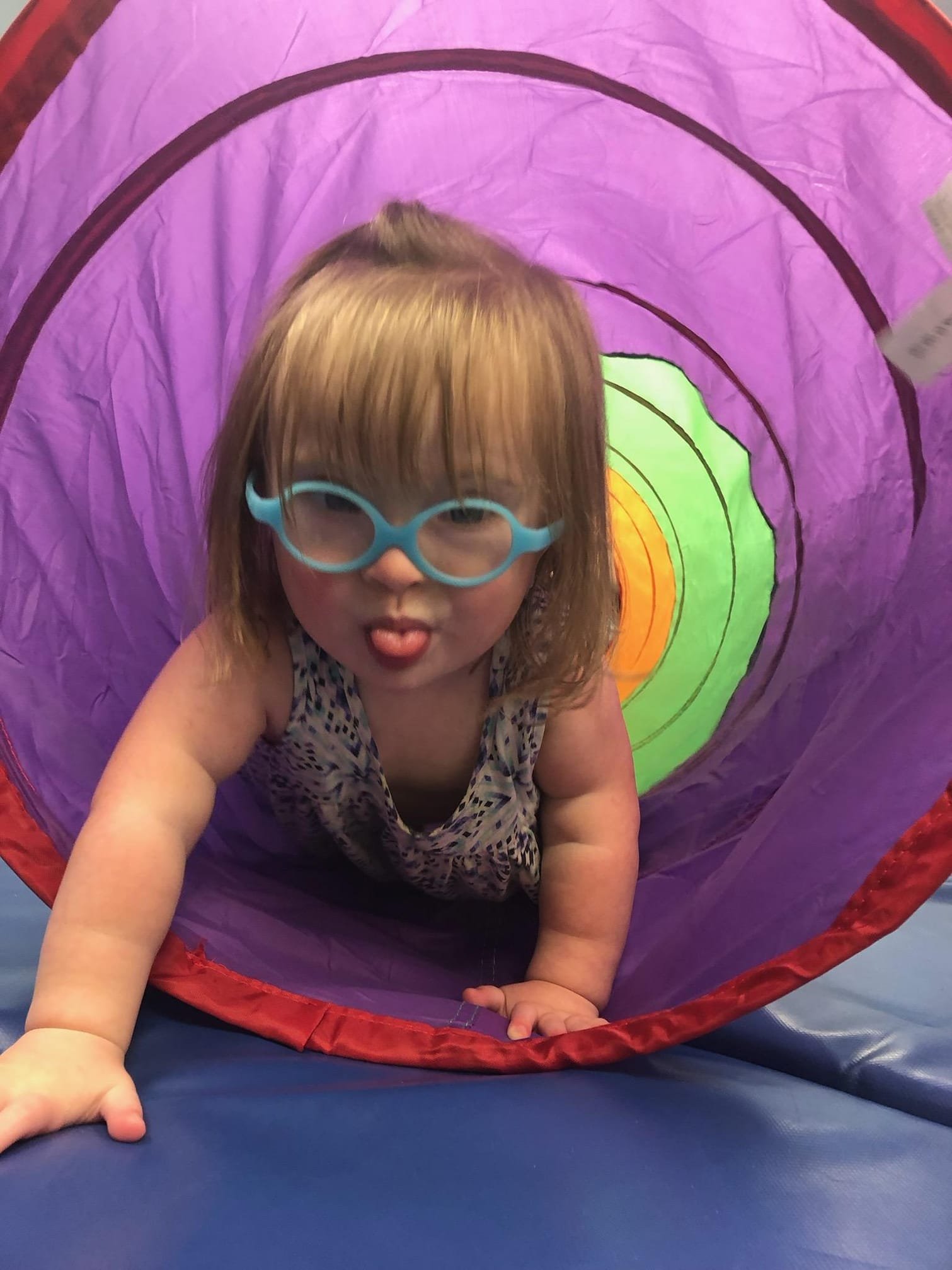
As babies crawl, it helps them start to understand distances, dimensions, and how their body fits in space (spatial awareness). The ability to navigate around objects and obstacles is key in learning to move confidently in their environment.
Brain-body connection – crawling strengthens neural pathways between the brain and the body which helps improve
◦ focus
◦ attention
◦ ability to follow directions
Exploration and learning – crawling is typically a babies first method of exploring their environment and gives them exposure to new textures, surfaces, and objects that stimulate the senses which encourages
◦ learning
◦ curiosity
◦ problem-solving
Integration of primitive reflexes
◦ ATNR (asymmetrical tonic neck reflex)
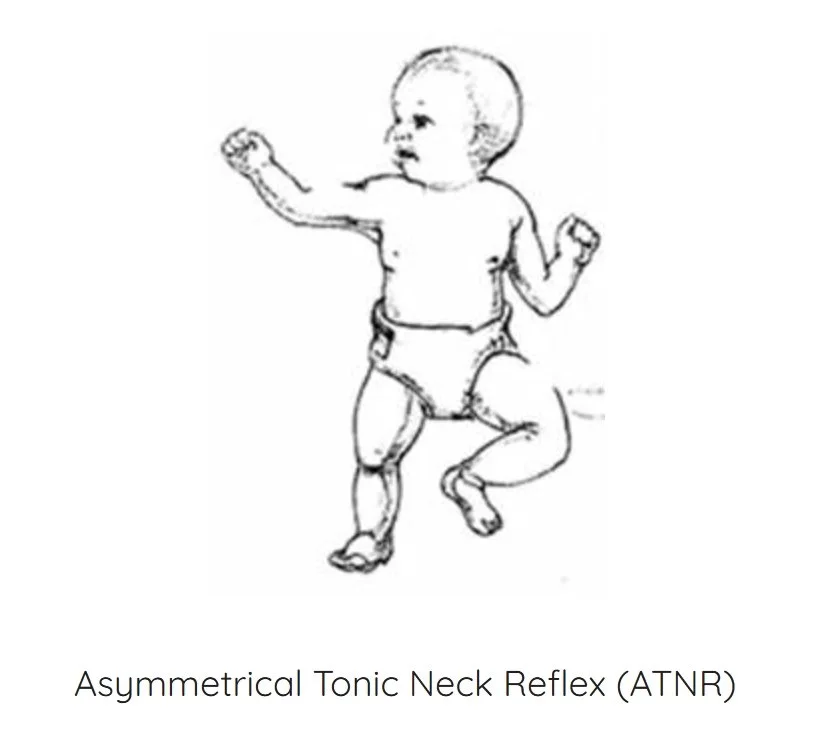
▪ develops at 18 weeks in utero and integrates between 4-9 months old
▪ purpose of reflex – assist baby through birth canal and develop cross pattern movements
▪ if retained or does not integrate, children may experience:
poor reading, writing and hand-eye coordination
difficulty crossing midline, poor balance, and in some cases scoliosis
easily distracted and challenges with visual tracking
◦ STNR (symmetrical tonic neck reflex)
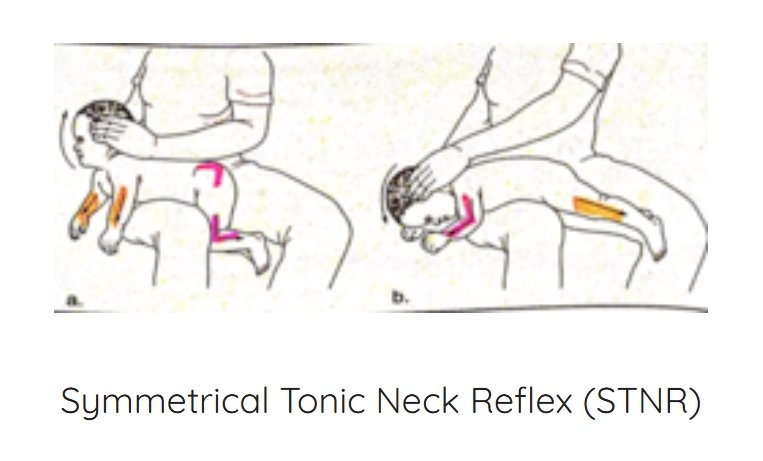
▪ develops at 6-9 months and integrates by 9-12 months old
▪ purpose of reflex – preparation for crawling and getting babies from floor to hands and knees position, separating upper body movements from lower body movements
▪ if retained or does not integrate, children may experience:
“W” sitting, poor sitting posture (slouched or constantly leaning on surface), ape-like walking, difficulty sitting still
Difficulty copying from a board (difficulty switching focus from near to far), poor eye-hand coordination, and reading/writing struggles
◦ Landau
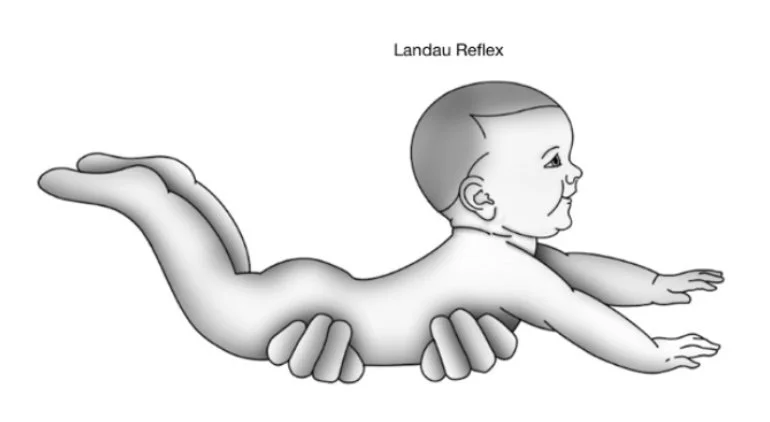
▪ develops by 3-5 months and integrates by 12-24 months old
▪ purpose of reflex – assist with posture development
▪ if retained or does not integrate, children may experience:
poor posture
clumsiness or poor motor control
difficulty concentrating
persistent tightness in lower extremities
◦ TLR (forward and backwards)
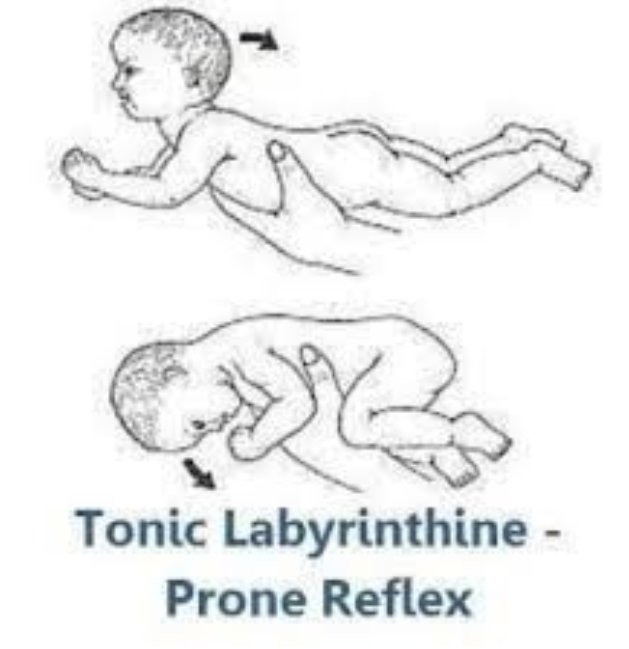
▪ develops in utero and integrates by 3-5 months (forward) and 3-3.5 years (backwards)
▪ purpose of reflex – develops head control, balance, and muscle tone for postural stability
▪ if retained or does not integrate, children may experience:
poor balance
dizziness/motion sickness
toe walking
weak core
overly stiff muscles
difficulty with visual tracking
poor depth perception
poor spatial awareness
Develops visual skills
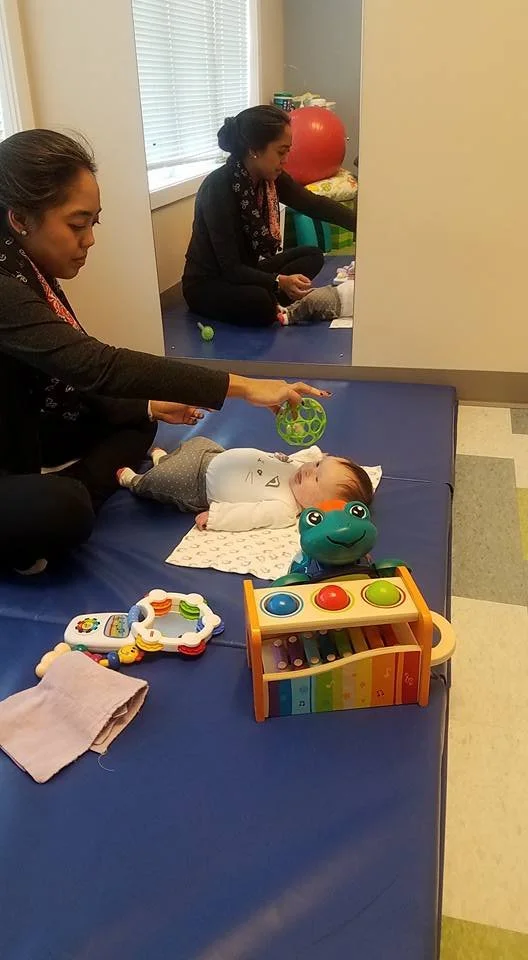
Visual tracking – as babies scan their environment, it helps development visual tracking
Depth perception – Depth perception is developed a baby progresses from prone on elbows to prone on extended arms, and then even more in hands and knees position and start moving and navigating obstacles.
Binocoluar vision
Hand-eye coordination as they go between looking at their hands on the floor to objects in the distance
Develops protective reflexes
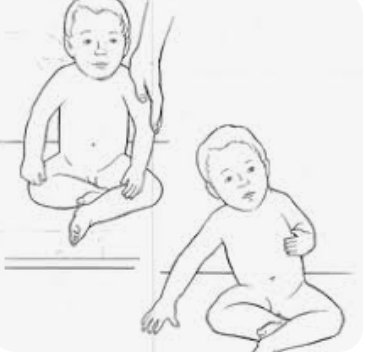
The process of falling and catching oneself during the crawling stages helps children learn protective reactions that prevent injury such has hitting their head on the ground. This is of even greater importance when they start walking.
How can parents promote crawling at home?
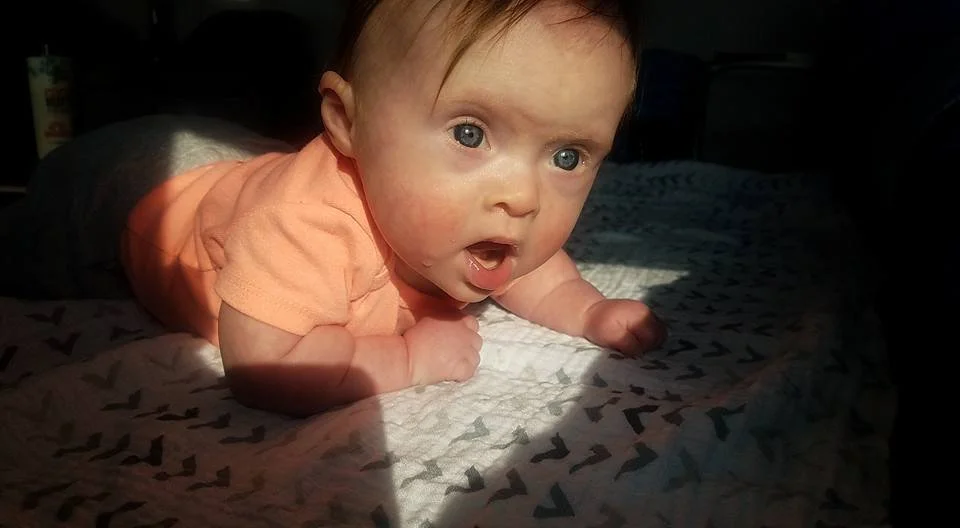
Tummy time
It is recommended that an infant 0-4 months get a total of 30 minutes a day of tummy time.
Infants greater than 4 months should get a total of 60 minutes a day.
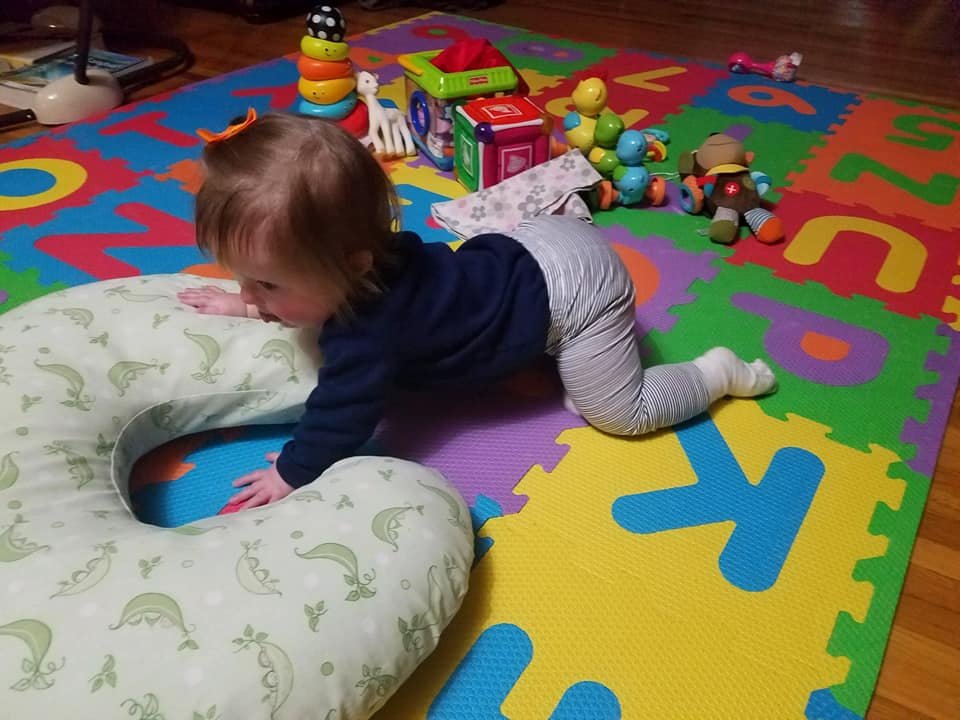
Create crawling spaces
Have a space dedicated to your child where they can move and crawl around safely.
Motivation
Use music, toys, lights, a sibling, spouse, or yourself as motivation for the baby to want to move to get you.